|
April 2026 Newsletter from Endūre ͏ ͏ ͏ ͏ ͏ ͏ ͏ ͏ ͏ ͏ ͏ ͏ ͏ ͏ ͏ ͏ ͏ ͏ ͏ ͏ ͏ ͏ ͏ ͏ ͏ ͏ ͏ ͏ ͏ ͏ ͏ ͏ ͏ ͏ ͏ ͏ ͏ ͏ ͏ ͏ ͏ ͏ ͏ ͏ ͏ ͏ ͏ ͏ ͏ ͏ ͏ ͏ ͏ ͏ ͏ ͏ ͏ ͏ ͏ ͏ ͏ ͏ ͏ ͏ ͏ ͏ ͏ ͏ ͏ ͏ ͏ ͏ ͏ ͏ ͏ ͏ ͏ ͏ ͏ ͏ ͏ ͏ ͏ ͏ ͏ ͏ ͏ ͏ ͏ ͏ ͏ ͏ ͏ ͏ ͏ ͏ ͏ ͏ ͏ ͏ ͏ ͏ ͏ ͏ ͏ ͏ ͏ ͏ ͏ ͏ ͏ ͏ ͏ ͏ ͏ ͏ ͏ ͏ ͏ ͏ ͏ ͏ ͏ ͏ ͏ ͏ ͏ ͏ ͏ ͏ ͏ ͏ ͏ ͏ ͏ ͏ ͏ ͏ ͏ ͏ ͏ ͏ ͏ ͏ ͏ ͏ ͏ ͏ ͏ ͏ ͏ ͏ ͏ ͏ ͏ ͏ ͏ ͏ ͏ ͏ ͏ ͏ ͏ ͏ ͏ ͏ ͏ ͏ ͏ ͏ ͏ ͏ ͏ ͏ ͏ ͏ ͏ ͏ ͏ ͏ ͏ ͏ ͏ ͏ ͏ ͏ ͏ ͏ ͏ ͏ ͏ ͏ ͏ ͏ ͏ ͏ ͏ ͏ ͏ ͏ ͏ ͏ ͏ ͏ ͏ ͏ ͏ ͏ ͏ ͏ ͏ ͏ ͏ ͏ ͏ ͏ ͏ ͏ ͏ ͏ ͏ ͏ ͏ ͏ ͏ ͏ ͏ ͏ ͏ ͏ ͏ ͏ ͏ ͏ ͏ ͏ ͏ ͏ ͏ ͏ ͏ ͏ ͏ ͏ ͏ ͏ ͏ ͏ ͏ ͏ ͏ ͏ ͏ ͏ ͏
|
This month’s grit and growth theme is: Tournaments– managing the moment.
|

|
Tournament-style competition brings a unique set of challenges for athletes. Whether it’s March basketball, playoff soccer, a weekend lacrosse tournament, or a multi-day championship event, tournaments demand more than physical preparation and technical skill. They test an athlete’s mental fitness—the ability to stay composed, adaptable, and confident across multiple games, shifting momentum, and unpredictable moments. Let’s also not forget about the pressure that “win or go home” games add to the equation. |
|
|
|
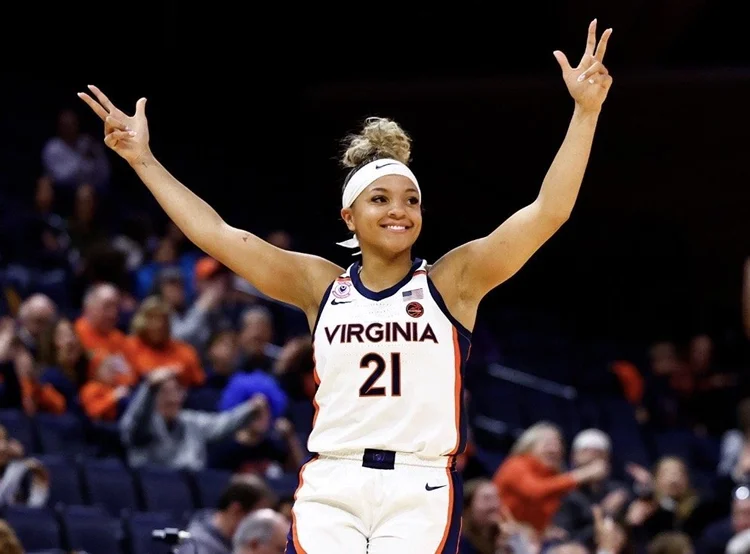
The 2026 NCAA men’s and women’s basketball tournaments have already provided countless reminders of how important the mental side of competition can be. From overtime battles to last-second shots, the difference between advancing and going home often comes down to how well athletes manage the moment.
In a traditional season format, athletes have days or even weeks between competitions to recover, regroup, and adjust. In tournaments, however, the turnaround is often measured in hours. Emotions run high, fatigue builds quickly, and every possession or moment can feel magnified. Success in these environments often comes down to a few critical mental skills.
|
|
Reset Between Games One of the most important abilities in tournament play is the capacity to reset quickly. A big win can lead to overconfidence, while a tough loss or mistake can linger mentally into the next game. Mentally strong athletes develop the skill of closing the chapter on the previous performance—good or bad—and shifting their focus to the next opportunity. Throughout this year’s NCAA tournaments, teams that advanced deep into the bracket have shown an ability to move on quickly from emotional games. On the women’s side, several first-round matchups—including dramatic overtime games—forced teams to recover both physically and mentally in less than 48 hours before the next round. The teams that handled the quick turnaround best were those that stayed focused on the next opponent rather than celebrating—or dwelling on—the previous game. Simple routines can help: a brief reflection, a reset breath, or a team huddle that reinforces the next goal.
|
|
Stay Present in High-Pressure Moments
Tournament games often include defining moments: overtime, last-second shots, or late-game possessions. In these situations, athletes who perform best are those who stay present rather than thinking about what is at stake.
|
|
|
|
This year’s tournament has already produced multiple buzzer-beaters and last-possession finishes. In those moments, the players who delivered weren’t thinking about advancing to the next round or appearing on highlight reels—they were focused on the details of execution: their focus, their shooting mechanics, and the play their team had drawn up. Mental fitness involves focusing on controllable actions—footwork, breathing, communication, effort—rather than the outcome. When athletes narrow their attention to the next play rather than the championship picture, they are more likely to execute with clarity and confidence.
|
|
Manage Emotional Swings Tournaments are emotional rollercoasters. Momentum shifts quickly, crowds get louder, and the stakes continue to rise with each round. Athletes who thrive in these environments learn how to regulate their emotions rather than ride the highs and lows. Anyone who has watched this year’s NCAA tournament has seen how quickly games can turn. A double-digit lead can disappear in just a few minutes when one team strings together defensive stops and fast-break baskets. Teams that stay composed during these swings—rather than panicking—are often the ones that regain control. This doesn’t mean eliminating emotion—it means managing it. The best competitors channel adrenaline and excitement into energy while staying composed enough to make good decisions.
|
|
Adapt and Adjust In tournaments, athletes often face unfamiliar opponents, quick strategic changes, or unexpected conditions. Mental agility—the ability to adapt quickly and remain flexible—becomes a powerful competitive advantage. The NCAA tournament is full of stylistic contrasts. A team might face a fast-paced offense in one round and a defensive, half-court opponent two days later. The teams that continue advancing are often the ones that can adjust quickly—mentally and tactically—to whatever challenge appears next. Coaches frequently talk about making halftime adjustments, and the players’ mindset is a huge part of that. Athletes who stay open to change and focused on solutions rather than frustration help their teams navigate those shifts. Compete with Confidence, Not Pressure
|

|
As tournaments move toward championship rounds, the pressure can increase dramatically. Athletes sometimes feel the weight of expectations—from coaches, teammates, fans, or themselves. |
|
|
|
March Madness is famous for underdogs rising to the occasion and top seeds surviving tense late-game situations. In both cases, the athletes who perform best are those who view pressure as an opportunity rather than something to fear. Mental fitness helps athletes reframe the moment. Instead of thinking, “I can’t mess this up,” mentally strong competitors think, “This is the moment I’ve prepared for.” Tournament competition will always test endurance, preparation, and teamwork. But time and again—especially during March Madness—it also highlights the power of the mental game. Athletes who can reset quickly, stay present, regulate emotion, adapt under pressure, and compete with confidence give themselves—and their teams—the best chance to perform when it matters most. Because in tournaments, the margin between winning and losing is often small.
|
|

|
The Resilience ReportWe are always watching sports and it’s not hard to find examples of moments when mental fitness is on full display. Each month we will feature a story or example of one of these moments.
|
|
|
|
|
In sport, resilience is often talked about in broad, inspirational terms. But every so often, an athlete gives us a real, lived example of what resilience actually looks like—messy, uncertain, and deeply human. Savy King's journey back to competitive soccer is one of those stories. On May 9, 2025, during a National Women’s Soccer League match, King collapsed on the field in the middle of the game play. What initially looked like a routine stoppage quickly turned into a life-threatening emergency. Medical staff rushed onto the field and administered CPR before she was taken by ambulance to the hospital. Doctors later discovered that King had an undiagnosed heart abnormality—a rare congenital condition affecting blood flow to her heart. She underwent emergency open-heart surgery, a procedure that ultimately saved her life.
What followed wasn’t just rehab—it was a complete reset. King spent months in cardiac rehabilitation, gradually rebuilding her strength under close medical supervision. She progressed from basic physical activity… to controlled training… to eventually being cleared for full return to play nearly ten months later. For most athletes, recovery is about getting back to form. For King, it was about something more fundamental—relearning trust in her own body.
In February 2026, King was officially cleared and removed from the season-ending injury list. By March, she stepped back onto the field for Angel City FC—completing a comeback that, less than a year earlier, was far from guaranteed. And the crowd went wild! Savy King’s journey offers a powerful reminder: Resilience isn’t always loud or visible. Sometimes, it’s built quietly—in hospital rooms, in rehab sessions, and in moments of doubt no one else sees. For athletes navigating their own challenges, remember: Progress can be slow and still be meaningful Confidence is rebuilt through small, consistent steps The comeback often shapes you more than the setback
And while we celebrate Savy King’s return to the pitch, it’s important to remember that resilience isn’t a single moment of triumph. It’s a series of choices—made daily—to keep going. …and for the folks who love soccer, here she is making a clutch tackle in her first game back.
|
Playbook: Try This With Your Team: Before your next game or competition, ask your athletes one simple question: “What is one mental skill you want to focus on today?” It might be resetting after mistakes, staying present under pressure, or communicating with teammates. After the competition, revisit the question and ask: “How did you do with that skill?” Mental fitness improves the same way physical skills do—through awareness, practice, and reflection. If you try this with your team, we’d love to hear what you notice…reply to this newsletter or share your experience with us.
|
Follow us on Instagram!We would also love for you to join the conversation with us on social media- like, share, and message us over on Instagram @endurementality
|
Want to book a consult? Do that here!
|
|
|
|

